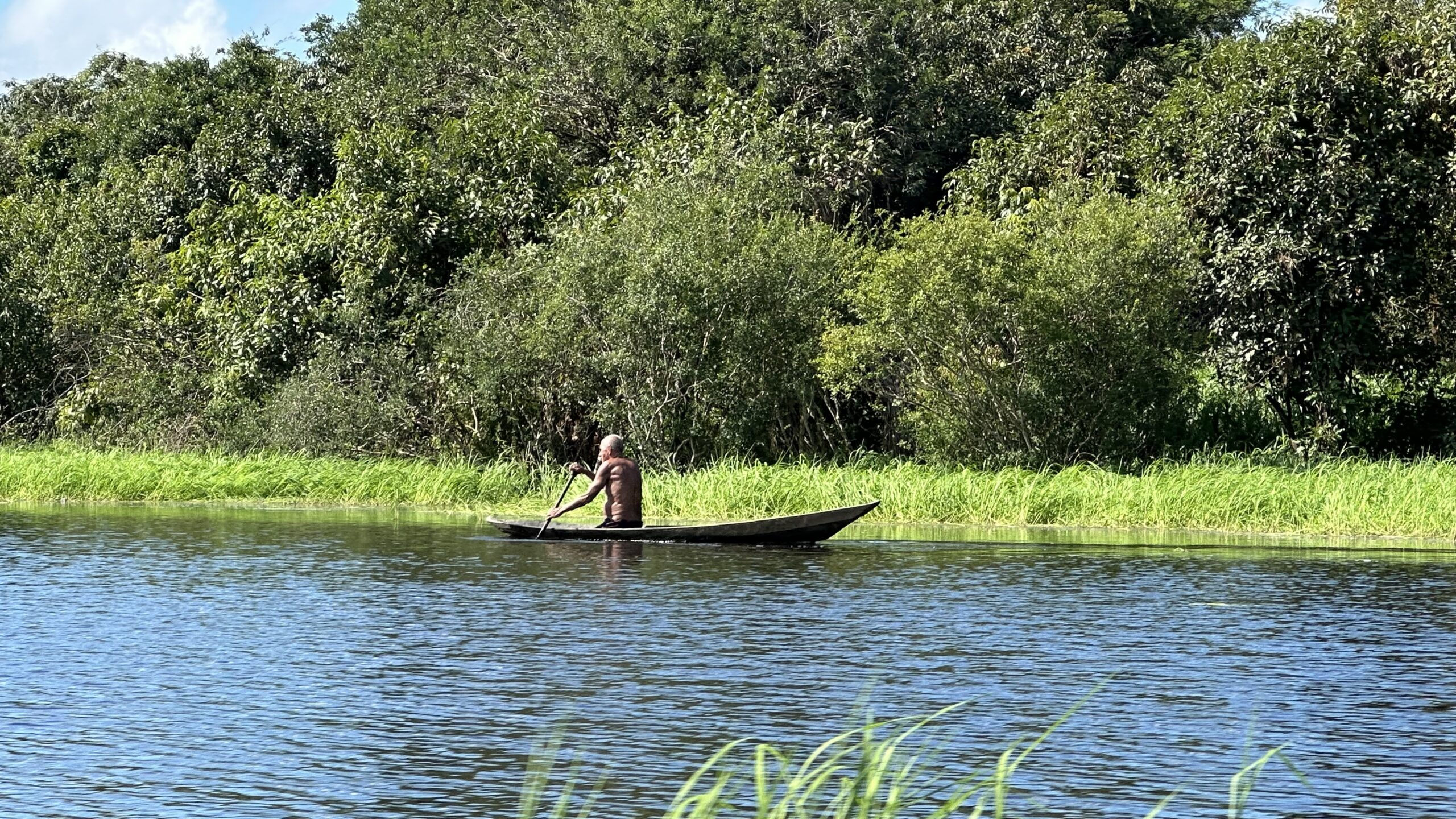
Why Sagay City is one of PH’s top sustainable tourism destinations

THE moment you step off the boat onto this 1.8-hectare island in the Visayan Sea, you feel the warmth of the community that calls it home.

Carbin Reef offers a quiet escape — an ever-changing sandbar shaped by wind and current, surrounded by vibrant marine life.

The Church of San Vicente Ferrer in Vito remains a key pilgrimage site, visited weekly by devotees fulfilling their ‘panaad.’ PHOTOS BY JOSEPH T. BAUTISTA
Visitors are welcomed with a lei made from flowers and mangrove seeds, a refreshing lemongrass drink, and a heartfelt serenade from local guides singing about mangrove conservation. This is Suyac Island Mangrove Eco-Park — an eco-tourism site managed by the community, built on the shared goal of protecting a critical habitat while helping conserve biodiversity and marine resources.

The Church of San Vicente Ferrer in Vito remains a key pilgrimage site, visited weekly by devotees fulfilling their ‘panaad.’
Suyac Island Mangrove Eco-Park is just one of the community-based tourism experiences that await visitors in Sagay City, Negros Occidental, which has emerged as one of the country’s leaders in sustainable tourism. The city has embraced environmental protection and conservation not just as programs, but as a long-term commitment — preserving its natural heritage as a legacy for the next generation.

Maestro Nune’s seaside home and gallery capture Sagay’s creative soul, where art and community pride meet.

The Fabrica Evangelical Church (1934) retains much of its original woodwork — from floors and walls to pews and interior panels.
Sagay’s eco-tourism branding says it best: “Sagay City: Where love for nature begins,” inviting travelers to be awed by nature and leave with a life-changing experience.
Suyac Island, Carbin Reef, and Maca Reef are part of the 32,000-hectare Sagay Marine Reserve, a marine protected area established in 1999. Today, it stands as the largest marine reserve in the Philippines.

Fresh seafood — caught sustainably within the marine reserve — is part of Sagay’s identity, served by fisherfolk-run community restaurants.
Sagay was originally called Arguelles when it was founded in 1860 at the mouth of the Bulanon River. Later, by order of the Spanish governor, the town was transferred to Pueblo de Magallanes (now known as Old Sagay) in honor of Ferdinand Magellan. On June 11, 1996, Sagay was converted into a component city of Negros Occidental by virtue of Republic Act 8192. The name Sagay is derived from “sigay,” a small seashell commonly found in beaches across the country.

Arriving at Suyac Island Mangrove Eco-Park feels like stepping into a community-led nature sanctuary in the heart of the Visayan Sea.

Suyac Island’s century-old mangrove forest is both a biodiversity refuge and a living classroom for conservation.
Getting there
Sagay is located in the northern part of Negros Island. The quickest way to get there is by taking a domestic flight from Manila or Cebu to Silay-Bacolod Airport. The city is about 82 kilometers from Bacolod and is approximately a two-hour drive by private vehicle from the provincial capital.

For commuters coming from Bacolod City, travelers may take a Ceres Bus or UV Express from the Bacolod North Bus Terminal. It is also possible to travel from Dumaguete City to Sagay by Ceres Bus.
From Cebu City, there are regular daily Ceres buses bound for Bacolod that leave the Cebu North Bus Terminal every two to three hours. These buses travel through the Central Nautical Highway, cross Cebu’s central mountains to Tabuelan, take a roll-on/roll-off (RoRo) ferry to Escalante, then continue through Sagay before heading to Bacolod.
Sagay Marine Reserve
There are several attractions within the Sagay Marine Reserve, where conservation is a way of life. To regulate activities within the protected area, visits must be coordinated through the Sagay City Information and Tourism Office.
For those seeking a quiet refuge on a sandbar surrounded by beautiful corals and giant clams, the 200-hectare marine sanctuary Carbin Reef is a must-visit. It can be reached via a 30-minute boat ride from the Sagay wharf. The sandbar is shaped by wind and current, and in certain seasons, it even resembles a giant whale when viewed from above.
For visitors heading to Suyac Island Mangrove Eco-Park, the community offers a mangrove tour package that includes a guided tour through its century-old mangrove forest, along with a seafood lunch featuring the local specialty — Suyac-style kinilaw.
Another mangrove destination worth exploring is the Lapus-Lapus Bulanon Conservation Area, where visitors can relax in floating cottages. It also features a mangrove maze that can be explored by kayak.
Living museums
Sagay also offers a unique “sikad” (pedal-powered tricycle) tour, where visitors are driven through the narrow lanes of Bougainvilla Street, lined with homes and walls painted with colorful murals inspired by the artistry of Nunencio M. Alvarado. The tour typically ends at Margaha Beach, a black sand beach known for its health benefits, and where the home and gallery of Maestro Nune — Alvarado’s popular moniker — are located.
Maestro Nune conceptualized the Community of Colors in Purok Bougainvilla, painting homes with designs he calls “painted matters” as a celebration of art within the community. Over time, sikad drivers evolved into trained guides, forming an association that supports community development and environmental protection — while proudly serving as ambassadors of their village.
By the sea, Maestro Nune’s home includes a gallery space called Syano Artlink, which showcases the works of budding local artists.
Nearby, Museo Sang Bata Sa Negros, a hands-on and interactive children’s museum, offers tours led by junior guides. Visitors are introduced to galleries that highlight marine biodiversity and remind both young and adult Filipinos of their role in protecting the marine ecosystem.
Heritage attractions
Among Sagay’s heritage sites is the Church of San Vicente Ferrer in Vito, built by the Recollect friars in 1860. It is a pilgrimage church where devotees gather every Friday to fulfill their promise, or panaad, to the patron saint. It is also known for the ritual of “palapak,” in which the century-old image of San Vicente is gently placed on parts of the body of devotees as a prayer for healing.
Another historic stop is Barangay Fabrica, where the Insular Lumber Company (ILCO) was established in the early 1900s. At its peak, ILCO was regarded as the largest hardwood sawmill in the world. It once had the most modern hospital in Negros Island, a golf course, American colonial houses, and even a railway system.
Visitors to Fabrica can still see the Himoga-an Bridge (built in 1914), a steel bridge with pedestrian lanes on both sides, and the Fabrica Evangelical Church (built in 1934), which has retained much of its original wood panels — including the flooring, walls, pews, lectern, and offering cross. ILCO’s Train Number 7 — fondly called “siete” by locals — once the workhorse for hauling logs and lumber, now stands proudly at the City Public Plaza.
Freshest seafood
During our visit to Sagay City, we were able to taste some of the freshest seafood — caught sustainably within the marine reserve. These are served in local restaurants such as Pala Pala sa Vito, a community-run establishment operated by fisherfolk.
According to Sagay Tourism Officer Helen Javier Arguelles, “It is anchored on the philosophy of clean, good, and fair food — where fish are caught sustainably, bought at a fair price from fisherfolk that does not short-change them, and cooked and served by the fisherfolk themselves.”
It really does not get any fresher — or fairer — than that.
link