


Published on
October 19, 2025


In a milestone for Iran’s tourism industry, Soheili, Kandelous, and Shafiabad have been named on the UN Tourism’s Best Tourism Villages list. The inclusion reflects Iran’s dedication to sustainable tourism and cultural heritage preservation, demonstrating the potential of rural areas to prosper through creativity in tourism while preserving local traditions for generations to come. These villages are a cross-section of Iran’s varied scenery, from the mangrove swamps of Qeshm Island to the mountain flanks of the Alborz and the desert landscapes of the Lut Desert, evidence of the nation’s vast tourism potential in various parts of Iran.
A Showcase of Iran’s Rural Diversity and Cultural Heritage
Each of the three villages recognized by UN Tourism brings a unique element of Iran’s rural heritage and natural beauty to the forefront of global tourism.
- Soheili, located on Qeshm Island, is a leader in eco-tourism and community-based conservation efforts. The villagers actively protect the Hara mangrove forests and engage in eco-friendly boating. Visitors can enjoy traditional seafood dishes, experience local handicrafts, and explore the untouched natural beauty of the island. Soheili’s strong focus on environmental sustainability reflects a responsible approach to tourism that is attracting increasing numbers of eco-conscious travelers.
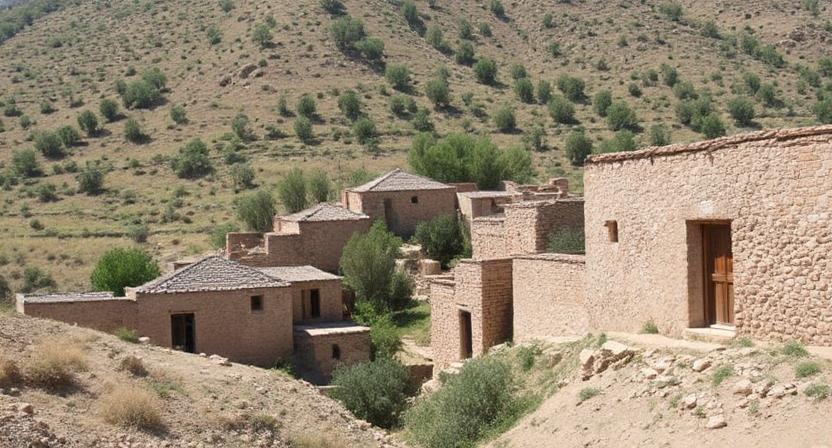
- Kandelous, nestled in the Alborz Mountains in northern Mazandaran province, is one of the oldest rural settlements in Iran, celebrated for its traditional stone houses, handicrafts, and breathtaking hiking trails through the Hyrcanian forests. The village houses both a cultural heritage museum and a herbal museum, showcasing the region’s blend of ancient knowledge and modern creativity. Kandelous provides visitors with an authentic rural experience, offering not only stunning natural landscapes but also a chance to delve into Iran’s rich cultural history.
- Shafiabad, located on the edge of the Lut Desert, is renowned for its Qajar-era caravanserai and the striking sand dunes and giant Kaluts—natural desert formations carved by wind erosion. The village attracts photographers and nature lovers keen to explore the vast desert landscapes. Additionally, Shafiabad is home to several women-led initiatives that focus on handicrafts, qanat restoration, and eco-tourism, highlighting how cultural heritage and social empowerment can coexist to foster sustainable tourism development.
The Economic and Social Impact of Rural Tourism in Iran
Rural tourism in Iran plays a pivotal role in the economic growth of small villages and towns, creating job opportunities and providing economic stability through the tourism sector. The inclusion of Soheili, Kandelous, and Shafiabad in the Best Tourism Villages program not only elevates the profile of these villages but also highlights their economic potential as key contributors to local economies.
These villages are transforming tourism into a sustainable industry by balancing preservation with development, ensuring that the natural resources and cultural heritage that attract visitors remain intact for future generations. The growth of eco-tourism in Soheili, for instance, directly benefits the local community, providing income through tourism activities while also ensuring that the mangrove forests are protected.
The recognition also promotes the integration of local communities into the tourism process, ensuring that the benefits of tourism are distributed equitably. The presence of women-led businesses in Shafiabad demonstrates the empowering role of tourism in fostering social development, especially in rural areas where gender equality and community-based tourism initiatives can support sustainable economic growth.
Promoting Cultural Heritage through Sustainable Practices
Cultural tourism in Iran has seen a rise in popularity, and the recognition of these villages adds momentum to the country’s efforts to promote heritage preservation. UN Tourism’s Best Tourism Villages program underscores the importance of sustainable tourism practices that respect both cultural heritage and environmental conservation. Iran’s ability to maintain its rich traditions while adapting to modern tourism demands is a testament to the success of initiatives like the Upgrade Programme and the recognition of local cultural industries.
In Kandelous, for example, the herbal museum and cultural heritage museum serve as important hubs for preserving traditional knowledge while also providing educational opportunities for visitors interested in local crafts and medicinal plants. The ongoing efforts in Shafiabad, with its eco-tourism initiatives, qanat restoration projects, and handicrafts, demonstrate how tourism can be integrated into the conservation of cultural heritage, creating economic opportunities while ensuring sustainable development.
Shaping the Future of Rural Tourism in Iran and Beyond
As the Best Tourism Villages program grows, Iran will continue to play a leading role in promoting sustainable tourism that benefits both local communities and the environment. By recognizing Soheili, Kandelous, and Shafiabad, UN Tourism is encouraging the development of rural tourism in Iran, supporting the country’s goal to create a more inclusive and balanced tourism sector that is rooted in community engagement, environmental protection, and cultural preservation.
The future of Iranian tourism lies in the continued development of its rural destinations, ensuring that local communities benefit from tourism while also preserving the natural and cultural heritage that draws visitors from around the world. With further investment in eco-tourism and sustainable practices, Iran is poised to become a global leader in cultural tourism, offering authentic travel experiences that promote both economic and social development.
Celebrating Iran’s Rural Heritage and Tourism Potential
The designation of Soheili, Kandelous, and Shafiabad as UN Tourism’s Best Tourism Villages program is an endorsement of great importance for the tourism sector of Iran. It showcases the nation’s capacity for merging cultural heritage, nature tourism, and sustainable development into a single integrated product that benefits both locals and tourists. As Iran keeps expanding these rural destinations of tourism, it is establishing an international standard for the future of green tourism—one that upholds community empowerment, cultural conservation, and environmental stewardship.


link