Discover Nisyros, Greece’s New UNESCO Global Geopark for Eco-Tourism and Geological Wonders, Get the Details Here
Published on
October 5, 2025

Nisyros is a volcanic island located in the Aegean Sea. Nisyros is now a part of the UNESCO Global Geoparks Network. This not only marks Nisyros’ unique heritage, but also contributes to the island’s environmental, cultural, and tourism value. The island is located between Kos and Tilos, and is now part of a small number of regions in the world that showcase extraordinary geological structures. The island is guaranteed to improve “Nisyros’ sustainable development” and attract nature-friendly visitors from all over the globe.
UNESCO’s Recognition of Nisyros and Its Volcanic Heritage
The UNESCO Global Geoparks Network is a global initiative aimed at preserving and promoting areas with unique geological features, while fostering sustainable development and tourism. Nisyros, with its active volcano and striking geological formations, has earned its place in this network, joining a distinguished group of protected sites worldwide. This official recognition is expected to elevate the island’s profile, drawing attention to its natural beauty, historical significance, and potential for responsible eco-tourism.
The inclusion of Nisyros into the UNESCO Global Geoparks Network includes the surrounding smaller islets—Stroggyli, Pergousa, Pachia, and Kandeliousa—making this entire volcanic complex part of the network. This expanded designation emphasizes the area’s geological diversity, enhancing its appeal to scientists, environmentalists, and travelers with an interest in the natural world.
A Focus on Sustainable Development and Environmental Protection
One of the primary benefits of joining the UNESCO Global Geoparks Network is the emphasis on sustainable development and environmental protection. The designation will help safeguard Nisyros’ unique geological landscape while promoting responsible tourism that contributes to the local economy. By positioning Nisyros as an eco-tourism destination, the island can encourage visitors to appreciate its natural wonders without compromising its delicate ecosystem.
Sustainable tourism practices will play a crucial role in protecting Nisyros’ active volcano and surrounding areas. Local authorities and the community can now work together to ensure that tourism activities, such as hiking, volcanic tours, and sightseeing, are conducted in a way that minimizes environmental impact and enhances conservation efforts.
Nisyros as a Living Geological Museum
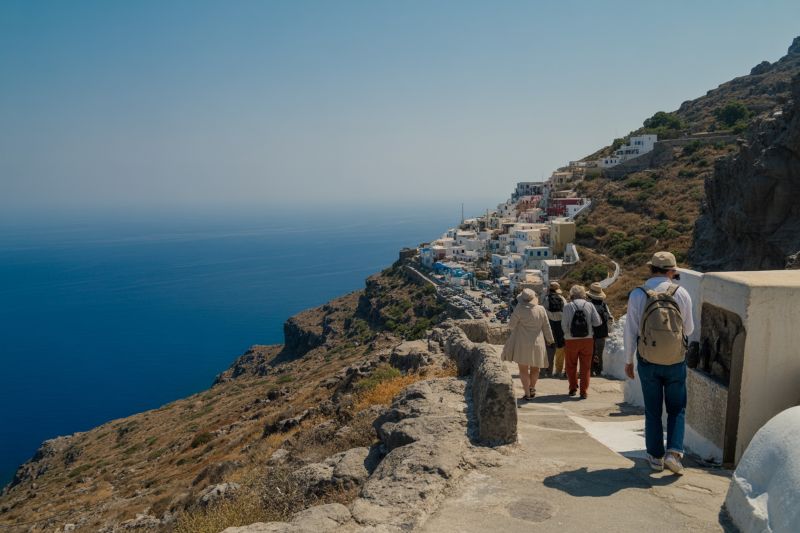
Often referred to as a “living geological museum,” Nisyros is an island where visitors can explore active volcanic craters and ancient geological structures. This unique feature offers tourists the opportunity to experience a geological wonder that has shaped the island over millennia. The volcanic terrain is not only visually striking but also rich in cultural history. Traditional stone-built houses, labyrinthine villages, and pebble-paved squares seamlessly integrate into the volcanic landscape, creating an atmosphere where nature and culture coexist harmoniously.
Visitors can walk through craters like Polyvotis, the island’s largest crater, and witness the layers of history embedded in the earth. Nisyros is a destination where nature, science, and history converge, offering an immersive experience for travelers interested in both the natural world and the rich cultural heritage of the island.
Key Attractions for Tourists
Nisyros offers a wealth of attractions that draw tourists from around the world. While the island is known for its volcanic wonders, it also boasts a fascinating mix of archaeological sites, traditional villages, and historical landmarks. Here are some of the key spots that should not be missed:
Mandraki: The Island’s Capital and Gateway
Most travelers begin their journey in Mandraki, the island’s capital and main port located on the northwestern coast. This charming village serves as the perfect introduction to Nisyros, offering visitors a blend of traditional Greek architecture and stunning coastal views. In Mandraki, tourists can explore the Monastery of Panagia Spiliani, a significant religious site with breathtaking views of the island and the sea. Additionally, the Archaeological Museum of Nisyros provides fascinating exhibits, including Neolithic tools from nearby Gyali, burial artifacts from the island’s necropolis, and ceramic finds from shipwrecks that have occurred in the surrounding waters.
Paleokastro: Ancient Fortifications
Just outside Mandraki lies the Paleokastro, an ancient fortress that dates back to the Byzantine period. This historical site offers panoramic views of the island and serves as a reminder of Nisyros’ long and complex history. The fortifications once served to protect the island from invaders, and today they provide an insight into the island’s strategic importance in the region.
Nikia and the Volcanological Museum
For a deeper understanding of Nisyros’ geological story, a visit to the Volcanological Museum in Nikia is a must. This museum, located in the village of Nikia, offers a wealth of information about the island’s volcanic origins and the natural forces that have shaped it. The museum provides a comprehensive look at the island’s evolution, from its beginnings as a submarine stratovolcano to its current status as the youngest active volcano in the Aegean Sea.
The Youngest Volcano in the Aegean
At the heart of Nisyros is its active volcano, the youngest in the Aegean Sea. The volcano has played a pivotal role in shaping the island’s landscape, and it remains an awe-inspiring feature for tourists. The island’s largest crater, Polyvotis, measures 260 meters across and 30 meters deep. Visitors can descend into these craters or view them from nearby vantage points in villages like Nikia and Emporio.
Stefanos, another prominent crater on the island, is one of the most visited volcanic sites. This dramatic landscape attracts both casual visitors and geology enthusiasts who want to observe the volcanic activity and learn more about the island’s fascinating history.
Nisyros’ Growing Appeal to Eco-Tourists and Scientists
With its new UNESCO designation, Nisyros is set to become a key destination for eco-tourism and geological tourism. The island’s pristine natural environment and unique volcanic landscape make it an ideal location for eco-conscious travelers who seek to explore the earth’s natural wonders while supporting sustainable tourism practices. Additionally, scientists and researchers from around the world are likely to visit Nisyros to study its geological features and learn more about its active volcanic activity.
Nisyros’ Future as a Sustainable and Educational Tourism Hub
Being placed in the UNESCO Global Geoparks Network is another great milestone for Nisyros. With its history, great landscapes, active volcano, and rich geological studies, Nisyros is in the rise for great history, geology, and eco-tourism destinations. Nisyros can protect its rich natural heritage and resources while growth in the local economy, improving cultural interaction, and increasing tourism. By increasing the number of visitors, Nisyros becomes valuable for the global tourism. Visitors seek great geological formations and the unique experiences that Nisyros has to offer. Nisyros natural heritage tourism is valuable as geological formations. Nisyros is also rich in culture and history.

link