Joyful Alliance Proposes Wakayama Integrated Onsen Resort, First Zero-Carbon Resort of Japan Blending its New Onsen Culture, Green Technologies, and Sustainable Tourism
Published on
October 19, 2025

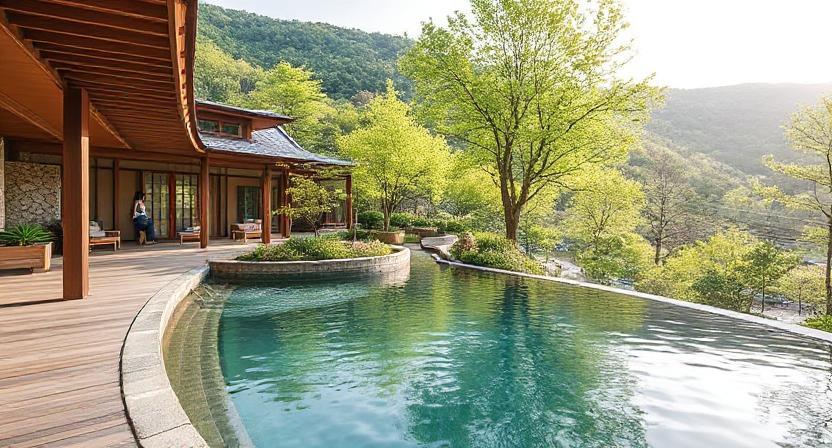
Joyful Alliance, a Singapore-based investment company, has put forward a visionary plan that will transform the tourism sector in Japan. The company revealed its intention to build the Wakayama Integrated Onsen Resort, the world’s first zero-carbon Onsen resort. The thrilling plan, which is supported by an investment worth more than US$2.2 billion, seeks to combine sustainability, luxury, and cultural heritage with the transformation of Wakayama City into a worldwide eco-tourism center.
On October 17, Joyful Alliance signed a memorandum of cooperation with Wakayama City Government officially, the start of an exciting cooperative partnership for boosting the region’s tourism value. The planned resort will draw on Wakayama’s natural hot springs, which have been an integral part of Japanese wellness culture for centuries, and combine this with the latest green technologies and sustainable infrastructure to form a genuine zero-carbon tourism destination.
A Game-Changing Destination for Sustainable Tourism
The Wakayama Integrated Onsen Resort will combine traditional Japanese Onsen culture with modern sustainability practices, setting a new benchmark for eco-friendly tourism globally. The resort’s design will prioritize environmental responsibility, featuring energy-efficient buildings, renewable energy sources, and low-carbon construction materials. By focusing on green technologies and sustainable design, the project will align with Japan’s commitment to carbon neutrality and contribute to the global shift toward eco-tourism.
Integrating Wakayama’s Rich Culture and Natural Heritage
One of the key components of the resort will be its integration with Wakayama’s cultural and natural assets. The hot springs, which have been a significant part of Japan’s cultural and wellness practices for centuries, will be a central feature of the resort. Visitors will be able to enjoy traditional Onsen baths alongside modern wellness facilities that incorporate natural healing and relaxation into their design.
Beyond the resort’s wellness offerings, the project will also incorporate elements of Wakayama’s rich cultural history. The surrounding area is home to stunning temples, shrines, and natural landscapes, providing the perfect backdrop for visitors seeking a holistic, nature-based experience. By drawing inspiration from Wakayama’s long history and deep cultural roots, the resort will offer tourists an immersive experience that combines luxury with authenticity.
Economic and Social Impact: Revitalizing Wakayama’s Tourism and Communities
The development of the Wakayama Integrated Onsen Resort is expected to have a significant economic impact on the region. Tourism in Wakayama, already bolstered by the region’s natural beauty and historic sites, will receive a considerable boost with the introduction of this world-class resort. By attracting millions of visitors annually, the resort will create new jobs, encourage local business growth, and help revitalize Wakayama’s rural economy. Additionally, the development will support a more sustainable form of tourism that aligns with the needs of both the environment and the local community.
The resort is designed to be a catalyst for regional development, providing a boost to local businesses, from accommodation and hospitality services to tourism-related activities. The proposed resort also aligns with Japan’s national tourism strategy, which focuses on creating sustainable travel experiences that contribute to both the economy and cultural preservation. By positioning Wakayama as a key destination for eco-tourism, the project is poised to make a significant contribution to Japan’s tourism growth.
Building on Japan’s Leadership in Eco-Tourism
Japan has long been recognized as a leader in eco-tourism due to its vast natural resources, traditional culture, and innovative design. The development of the Wakayama Integrated Onsen Resort further solidifies the country’s commitment to combining nature and sustainability in tourism. By pioneering the zero-carbon Onsen resort concept, Joyful Alliance aims to set a global example for how eco-conscious developments can be integrated into the tourism sector.
In addition to its environmental benefits, the resort will serve as a center of excellence for green tourism practices, providing a model for future projects in Asia and beyond. With Japan’s expertise in sustainable design, renewable energy, and environmental conservation, the Wakayama resort will embody the country’s commitment to leading the way in eco-friendly tourism.
Collaborative Partnerships: Global Expertise for a Sustainable Future
Joyful Alliance’s proposed resort project is backed by a diverse group of global partners who will contribute their expertise in sustainability, green technologies, and quality assurance. Green Matter Hub, a platform for green technologies, will supply the low-carbon materials and energy-efficient solutions necessary for the resort’s construction. CMA Testing, a global leader in quality assurance, will oversee the implementation of sustainability standards, ensuring that the project meets international environmental guidelines.
Together, these partners bring a wealth of expertise and resources to the project, ensuring that the Wakayama Integrated Onsen Resort is not only a luxury destination but also a model for sustainable tourism. Through this collaboration, the project will demonstrate how private investment, cultural heritage, and environmental responsibility can work together to create an impactful tourism development.
A Vision for the Future: Sustainable Growth and Global Influence
Wakayama Integrated Onsen Resort will be a key player in the future of Japan’s tourism industry. By prioritizing zero-carbon and sustainable tourism, the resort will entice international tourists who are looking for environmentally friendly travel experiences without sacrificing comfort and luxury. This new tourism development model is part of a global movement toward sustainable development and environmental awareness in the tourism industry.
The resort will be the top destination in Japan and a template for future global eco-tourism initiatives. Its success will cement Japan’s position as the world leader in sustainable tourism and green hospitality, and show the world that cultural heritage, natural beauty, luxury, and environmental stewardship can and must come together.

link