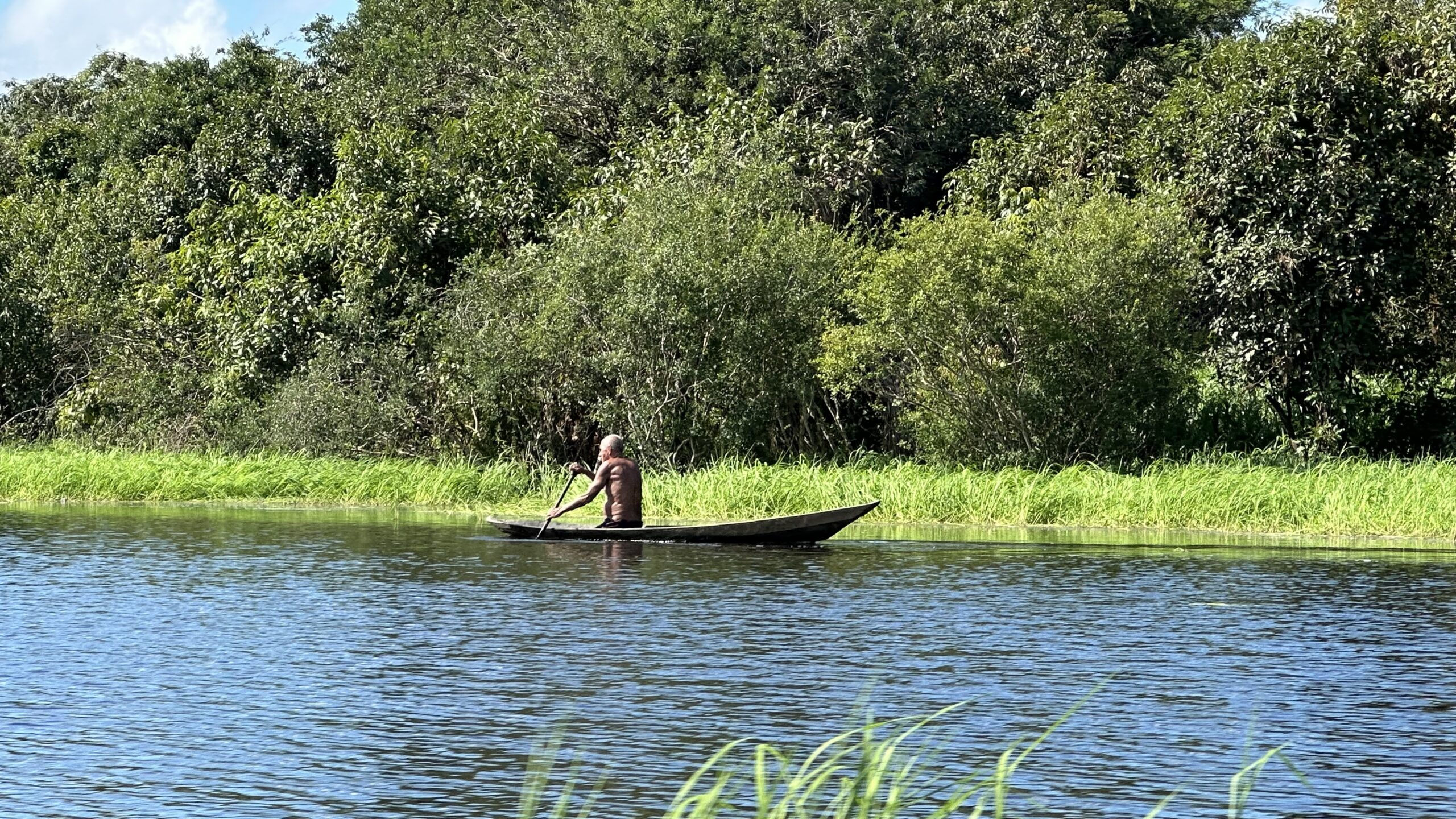
Saint Martin Island Reopening for Tourism from November, Offering an Eco-Friendly Travel and Sustainability Focus to Preserve Natural Beauty of Bangladesh
Published on
October 29, 2025

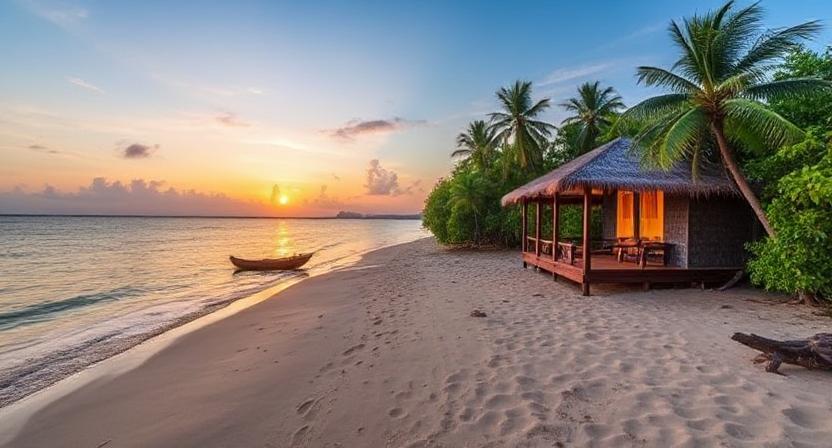
Saint Martin Island, Bangladesh’s sole coral island, is set to open its gates to tourists once again on November 1, 2025, the government has adopted a range of sustainable tourism measures aimed at safeguarding the island’s fragile ecosystem while still providing travelers with a sustainable travel experience. The project is geared towards achieving a delicate balance between the development of tourism and conservation of the environment so that Saint Martin’s Island remains a virgin destination for generations to come.
Revitalizing Saint Martin’s Island: A Step Toward Sustainable Tourism
The reopening of Saint Martin’s Island comes with a set of 12 government-issued guidelines that all tourists must adhere to, ensuring the protection of the island’s natural balance, biodiversity, and picturesque environment. Cox’s Bazar Additional District Magistrate (ADM) Md Shahidul Alam emphasized the importance of these regulations in safeguarding the island’s fragile ecosystem and creating a sustainable model for tourism that benefits both visitors and local communities. The move underscores Bangladesh’s commitment to enhancing eco-tourism while preserving its rich natural heritage.
Protecting Saint Martin’s Biodiversity: Key Guidelines for Tourists
To preserve the island’s biodiversity, several activities have been prohibited, including the lighting of fires on the beach, creating loud noise, and organizing barbecues. These measures are intended to maintain the natural serenity of the island and prevent disturbance to the local wildlife, including marine turtles, coral reefs, and king crabs. In addition, motorized vehicles, such as motorcycles and sea bikes, will not be allowed to operate on the island’s beaches, preserving its untouched charm and keeping the environment free from pollution.
One of the key guidelines is the ban on the use of polythene and single-use plastic products. Tourists are encouraged to bring their own reusable water flasks, reducing plastic waste and ensuring that the island remains a clean, eco-friendly destination. The government is actively promoting sustainable travel practices to create a low-impact tourism model that respects both the environment and local culture.
Focus on Cultural and Environmental Sustainability
The reopening of Saint Martin’s Island highlights the growing importance of sustainable tourism in Bangladesh. As a tourism destination with unique ecosystems, Saint Martin’s Island provides an exceptional opportunity to showcase how environmental conservation can go hand in hand with tourism development. By incorporating green practices—such as solar energy, rainwater harvesting, and the use of locally sourced materials—the government is setting a standard for how tourism can thrive without compromising the natural environment.
The emphasis on sustainability also extends to local engagement. Communities on Saint Martin’s Island are encouraged to participate in eco-tourism initiatives, benefiting from tourism revenues and job creation in eco-conscious industries such as hospitality, tour guiding, and local product sales. This ensures that the economic benefits of tourism are felt equitably across local communities, providing a sustainable source of income while preserving the island’s heritage.
Enhancing Visitor Experience through Digital Solutions
In line with global trends in digital tourism, the Bangladesh Tourism Board has introduced online ticketing systems for visitors, which includes a QR code system to verify the authenticity of tourist tickets. This technological approach ensures that only legitimate and regulated visitors are granted access to the island, contributing to greater management and control over tourist numbers. The QR code system also facilitates smooth travel experiences, allowing tourists to explore Saint Martin’s Island with ease and confidence.
Furthermore, the introduction of digital guides and virtual experiences enables visitors to learn more about the island’s wildlife, marine life, and cultural heritage before and during their visit, enriching their overall tourism experience. These digital solutions ensure that tourism management is modern, efficient, and eco-friendly, enhancing both visitor satisfaction and environmental protection.
Seasonal Tourism Management: Regulating Visitor Numbers
To maintain the integrity of the island’s ecosystem, the government has introduced a strict visitor quota system. Only 2,000 tourists per day will be allowed to visit Saint Martin’s Island during the peak tourism months. In November, tourists will only be allowed for day trips, while overnight stays will be prohibited. However, overnight stays will be permitted during December and January, providing a window for longer visits during the high season.
February 2026 will see a temporary suspension of tourism activities to give the island a break from the heavy tourism load, allowing the environment to recover from the increased footfall. This seasonal tourism management ensures that the tourist experience remains unspoiled, while also giving the island’s biodiversity a chance to regenerate.
Economic Impact and Local Empowerment
The tourism surge to Saint Martin’s Island is expected to have a positive economic impact on local businesses and communities. With its limited visitor capacity and focus on high-quality, low-impact tourism, the island can support the development of local enterprises such as eco-friendly accommodations, guided tours, and local craft markets. Additionally, the government’s emphasis on sustainability will encourage tourism revenues to be reinvested into community-based conservation projects that benefit both the island’s environment and its people.
As more tourists flock to Saint Martin’s Island to experience its unique ecosystem and cultural heritage, the island’s tourism potential will continue to grow, contributing to both economic prosperity and environmental sustainability. By embracing eco-tourism, Bangladesh is setting a strong example for other countries in the region on how tourism can coexist with environmental responsibility.
Leading the Way for Sustainable Tourism in Bangladesh
Saint Martin’s Island reopening is a turning point for Bangladesh’s tourism growth, especially when it comes to eco-tourism and sustainable tourism. With the imposition of stringent regulations and the encouragement of a concerted effort in maintaining the environment, the government is committed to keeping Saint Martin’s Island a special, preserved location for years to come. By doing this, Bangladesh has an opportunity to set the tone for sustainable tourism that is not only economical but also maintains the natural beauty and cultural heritage of one of the nation’s most striking tourist attractions.

link